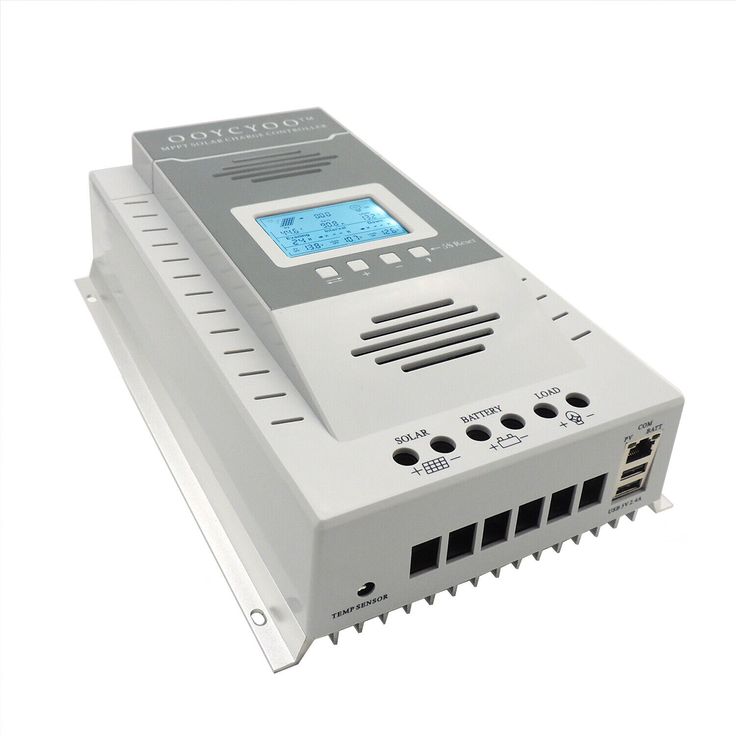
Dc Auto Solar Charge Controller Pwm – 60a 12v To 48v
$42.8
$72.76
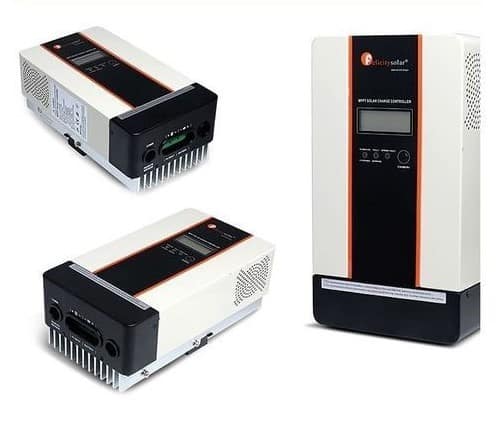
PWM Charging Technology: The controller uses Pulse Width Modulation (PWM) charging technology to efficiently regulate the charging current from the solar panel to the battery bank. PWM is a commonly used charging method that helps prevent overcharging and ensures the battery receives the appropriate charging voltage. Input Voltage Range: This particular charge controller is suitable for solar panels with an input voltage of 12V. It is capable of handling higher voltage solar panels (e.g., 24V or 36V) and stepping down the voltage to match the battery bank’s requirements, which is 48V in this case. Maximum Charging Current: The controller has a maximum charging current capacity of 60A. This means it can handle a solar panel or array with a combined output current of up to 60 amps. Battery Compatibility: The charge controller is designed to work with a 48V battery bank. It is essential to ensure that the battery bank voltage matches the controller’s output voltage to ensure compatibility. Battery Protection: The charge controller includes various protection features to safeguard the battery bank from damage. These features may include overcharge protection, over-discharge protection, short-circuit protection, and reverse polarity protection. LED Indicators: Many charge controllers come with LED indicators that display the status of the charging process and any potential issues, making it easier for users to monitor the system’s performance. Load Output: Some charge controllers have a load output, which allows you to connect low-power DC loads like lights or small appliances directly to the controller. Automatic Voltage Detection: This feature enables the controller to detect the system voltage automatically and adjust its settings accordingly. It ensures efficient charging and prevents potential damage to the battery. Temperature Compensation: Advanced charge controllers may include temperature compensation to adjust the charging voltage based on the battery’s temperature, optimizing charging performance in different weather conditions. Durable Design: The charge controller is typically built with sturdy materials to withstand outdoor use and protect against environmental factors like dust and moisture.